The Art of Environmental Storytelling in Video Games
Have you ever pieced together a narrative while exploring a video game world? If so, you’re engaging in what is known as environmental storytelling.
This subtle yet powerful technique allows players to immerse themselves in a game’s narrative by interpreting clues left within its environment. Before diving into this topic, this is an example of environmental storytelling:
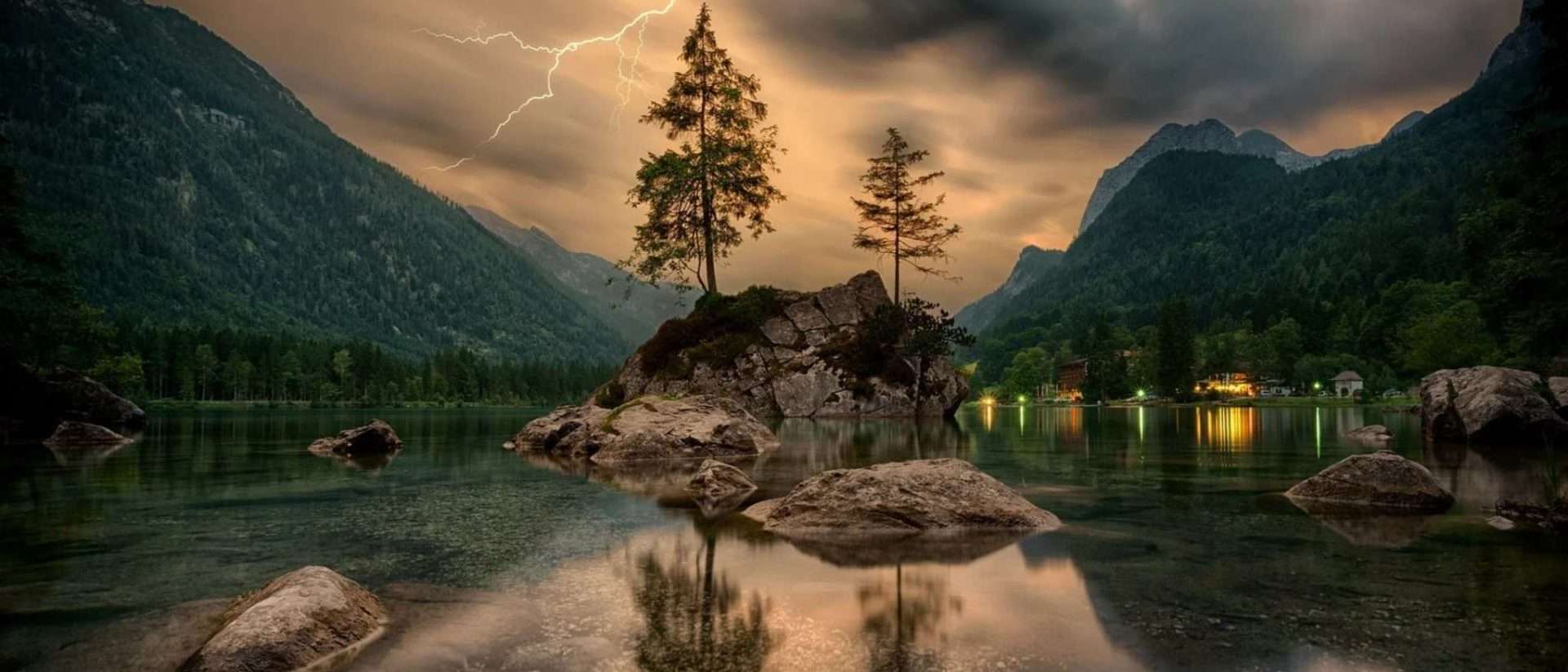
“The Whispering Forest
In a small, forgotten corner of the world, there was a forest known only to those who dared to wander off the beaten path. This forest, unlike any other, had a secret.
The trees, ancient and tall, stood like sentinels guarding a hidden history. Their bark was rough, etched with the scars of time, each groove telling a tale of storms weathered and seasons passed. The leaves, a tapestry of green and gold, rustled softly, speaking in a language only nature understood.
At the heart of the forest was a clearing, bathed in a gentle, golden light that seemed to come from nowhere and everywhere. This place was sacred, untouched by human hands, and it was here that the whispers were loudest.”
Unlike traditional storytelling methods, which rely on direct exposition, environmental storytelling invites players to become active participants in the narrative, crafting their own stories based on the objects and scenes they encounter.
What is Environmental Storytelling?

Environmental storytelling is the art of arranging objects within a game world to suggest a story to the player.
Rather than relying solely on dialogue, cutscenes, or text, this method uses the environment itself to convey a sequence of events with emotional meaning.
For instance, a game might present a scene where a skeleton reclines in a bathtub surrounded by empty gin bottles. From this tableau, players can infer a tragic story without a single word being spoken.
>>> Read more: Top 3D Animation Trends In 2024 You Must Know
Direct vs. Environmental Storytelling

Many video games tell their stories overtly. Non-player characters (NPCs) might converse with the player’s character, cutscenes might dramatize significant events, or text might be used to provide exposition.
In these cases, the story is delivered directly to the player with little room for interpretation.
In contrast, environmental storytelling is less direct. It shows the outcome of a sequence of events, leaving players to speculate about the events that led to that outcome.
This approach fosters a collaborative relationship between the player and the game’s content creators. Developers select and arrange objects in meaningful ways, but it is up to the player to interpret the scene and construct the narrative.
>>>Read more: Top 10 Animation Trends Shaping the Industry [2024 Updated]
The Impact of Environmental Storytelling on Immersion

One of the greatest benefits of environmental storytelling is the depth of immersion it can create. By allowing players to piece together the narrative themselves, the game world becomes more engaging and alive.
Players not only understand what happened but also feel a connection to the events as they uncover them. This deepens the emotional impact of the story and makes the virtual world feel more real.
When combined with more traditional storytelling methods, environmental storytelling can enhance the overall narrative experience.
Players might receive direct information through dialogue or text and then encounter a scene that visually represents the consequences of those events. This layered approach to storytelling can make the game world feel richer and more dynamic.
>>>Read more: 3 Best 3D Animation Techniques That Transform the World
Examples of Environmental Storytelling in Popular Games

Bethesda Softworks is a master of environmental storytelling, particularly in their franchises The Elder Scrolls and Fallout. These games often explore themes of lost civilizations, and the environments reflect the remnants of these bygone eras.
In Fallout, for example, players frequently encounter scenes that hint at the lives of people who lived before the apocalypse:
- A decayed cake in the middle of a circle of toys, with a single party hat on a chair, suggests a birthday party that never happened.
- A skeleton slumped over a chair with a pistol nearby tells a tragic story without a single word.
- A room filled with plungers attached to every flat surface hints at a moment of chaotic humor or desperation.
These scenes allow players to glimpse the final moments of the characters who once inhabited the world, adding depth to the game’s narrative.
The Unique Value of Environmental Storytelling in Certain Game Worlds

Environmental storytelling is particularly effective in game worlds that are desolate or lack many non-hostile NPCs.
In post-apocalyptic settings or worlds built on the ruins of long-lost cultures, this storytelling method can be a crucial tool for conveying the nature of the world.
The absence of living characters means that the environment must do the heavy lifting in terms of narrative delivery.
Games about endings, in particular, benefit from environmental storytelling.
By showing the final moments of individual characters, these games can evoke a sense of melancholy and reflection that might not be achievable through direct exposition alone.
Conclusion
Environmental storytelling has a timeless appeal that can enhance the narrative depth of any game world.
Whether it’s revealing the last moments of a character’s life or hinting at a larger narrative through carefully arranged objects, this technique invites players to engage with the game on a deeper level.
By encouraging players to become storytellers themselves, environmental storytelling transforms the gaming experience into something more personal and immersive.
In a world where games are increasingly complex and narrative-driven, the careful implementation of environmental storytelling can set a game apart, making it a joy to explore and a world worth returning to, time and time again.
–
Animost – Vietnam 3D Animation Studio


hello@animost.com

More from the stage
Sep 15, 2026Behind the Scenes of HOPE Na Hong-jin Sci-Fi Action with Motion Capture
If you love wild action movies, high-stakes science fiction, and cinema that keeps your heart pounding, South Korean filmmaker Na Hong-jin’s latest project, HOPE, needs to…
Do I Own the Copyright to AI-Generated Animation?
Do you own the copyright to AI-generated animation? Learn how AI, human creativity, and platform rules affect ownership and commercial rights.
Start a project
Tell us what you need made.
Send us the details and we will come back within one business day with a scope and a price.
Start a project