
Is CGI More Expensive Than Practical Effects in Filmmaking?
Is CGI more expensive than practical effects? While CGI allows for limitless creativity, it comes with high software, rendering, and labor costs. On the other hand, practical effects offer realism but can be expensive due to materials, stunts, and reshoots.
The true cost depends on factors like production scale, complexity, and time constraints. Many modern films blend both techniques to balance expenses and enhance visual impact. Let’s break down the costs and industry trends to find out.
Is CGI More Expensive Than Practical Effects?
There’s no one-size-fits-all answer. CGI is costly due to software, labor, and rendering, but practical effects can be just as expensive when dealing with large-scale stunts or detailed animatronics.

A hybrid approach often provides the best balance, keeping costs manageable while delivering stunning visuals. Your choice depends on your budget, the complexity of your film, and how much realism you need.
Factors That Influence Cost in CGI and Practical Effects
When deciding between CGI and practical effects, you need to consider costs at every stage of production. Each method has unique expenses in pre-production, production, and post-production, affecting your overall budget and creative decisions.
Pre-production Costs
Before filming starts, you have to plan and create assets. CGI and practical effects require different types of preparation, which impact costs.
- If you use CGI, you’ll need to invest in concept art, 3D modeling, software licenses, and a team of VFX artists. These digital assets must be built before production, making costs high from the start.
- If you go with practical effects, you’ll be paying for set construction, animatronics, prosthetics, and stunt coordination. Materials, logistics, and safety measures will add to your expenses.
So, which is more expensive? CGI has high digital development costs but less physical setup, while practical effects require materials and skilled labor but may reduce post-production work.

>>> Read more: Can Live-action Have CGI? The Balance Between Reality & Digital Effect
Production Costs
Once filming begins, your choice affects time, resources, and budget.
- CGI-heavy productions require motion capture, green screens, and VFX supervisors to ensure scenes match the digital effects that will be added later. The more complex your CGI, the more expensive it gets.
- Practical effects demand real stunts, explosions, makeup, and physical sets. You may need to factor in safety measures and additional takes if things don’t go as planned.
CGI can save you time on set but adds costs in post-production. Practical effects are immediate but may require costly reshoots if something goes wrong.
>>> Read more: Is CGI Used in Video Games? Benefits of CGI in Gaming and Examples
Post-production Costs
This is where CGI costs can skyrocket.
- If you rely on CGI, you’ll need high-powered computers for rendering, skilled artists for animation, and compositors to integrate digital effects into live footage. Last-minute changes can be expensive.
- With practical effects, post-production is usually cheaper, with minor CGI touch-ups, sound editing, and color grading.
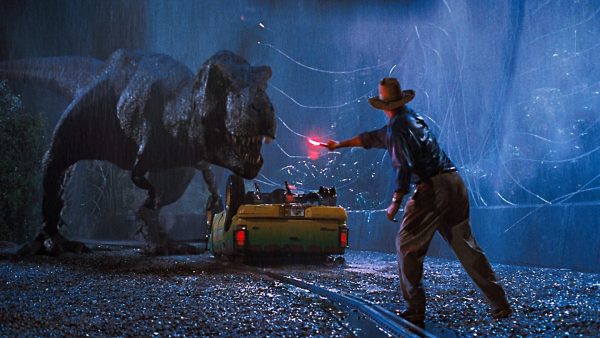
Many modern films use a hybrid approach to keep costs manageable while maintaining realism (like Jurassic Park or Mad Max: Fury Road).
>>>Read more: What Software is Used for CGI Animation? Top 6 Options
Case Studies: Cost Comparisons in Real Movies
To understand whether CGI is more expensive than practical effects, let’s look at real-world examples. Some films rely almost entirely on CGI, while others use practical effects or a combination of both. The costs can vary based on the complexity of the effects, the size of the production team, and how much time is needed for post-production.
Movies That Relied Heavily on CGI
Many modern blockbusters use CGI for everything from characters to entire environments. These films often have massive budgets due to the high cost of digital effects.
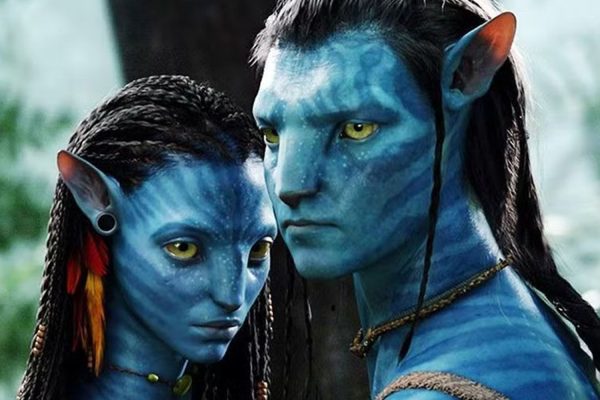
#1. Avatar (2009) – The Cost of Digital Innovation
Budget: Estimated at $237 million
CGI Expenses:
- Extensive motion capture for realistic character animation
- 3D rendering of an entire alien world (Pandora)
- Cutting-edge visual effects developed specifically for the film
Result: One of the most expensive films ever made, but also one of the highest-grossing. The cost of CGI was justified by the groundbreaking visuals that set new industry standards.
#2. Avengers: Endgame (2019) – A CGI-Heavy Superhero Epic
Budget: Around $356 million
CGI Expenses:
- Nearly all action scenes feature CGI, including large-scale battles
- Motion capture for key characters like Thanos
- Digital environments and physics simulations for destruction effects
Result: Despite the massive CGI budget, the film grossed over $2.7 billion, proving that high investment in CGI can pay off.
If you’re making a film with complex environments, large-scale battles, or non-human characters, CGI is often necessary but it comes with a hefty price tag.
Movies That Relied Heavily on Practical Effects
Some films minimize CGI use and instead rely on real stunts, physical sets, and handcrafted props. These often require skilled technicians and can be expensive depending on the scale.
#1. Mad Max: Fury Road (2015) – Real Stunts Over CGI
Budget: Estimated at $150 million
Practical Effects Expenses:
- Real car crashes and stunts performed in the desert
- Practical explosions instead of CGI fire
- Custom-built vehicles and real wasteland sets
Result: Despite the high cost of practical effects, the film won six Academy Awards, including Best Editing and Best Production Design, proving that practical effects can be just as visually impressive as CGI.

Key takeaway: If you’re making a film with complex environments, large-scale battles, or non-human characters, CGI is often necessary but it comes with a hefty price tag.
#2. The Thing (1982) – Classic Horror with Practical Effects
Budget: Around $15 million (modest by today’s standards)
Practical Effects Expenses:
- Handcrafted animatronics and latex-based creature effects
- Physical puppetry and gore effects
- No CGI used all horror elements were built and filmed on set
Result: Though not a box office success at the time, the film became a cult classic, with its practical effects praised for their realism and longevity.
Key takeaway: If you’re aiming for realism and immersion, practical effects can be a strong choice but they can be costly, especially for large-scale action sequences or detailed creature designs.
Hybrid Approach – Combining CGI and Practical Effects
Many directors today use a blend of CGI and practical effects to optimize budgets while achieving realism.

#1. Jurassic Park (1993) – The Perfect Balance
Budget: Around $63 million
Effects Used:
- Animatronic dinosaurs for close-up shots
- CGI for large-scale movement and distant shots
- Practical environments mixed with digital enhancements
Result: The combination of practical and CGI effects created some of the most realistic dinosaurs in film history, setting a benchmark for future movies.
#2. The Dark Knight (2008) – Real Stunts with Minimal CGI
Budget: Around $185 million
Effects Used:
- Real explosions and practical car chases
- CGI used only for minor enhancements (e.g., removing wires, background extensions)
Result: The focus on practical stunts made the action feel more authentic, while limited CGI kept costs controlled.
Key takeaway: If you’re looking for a balance between cost and realism, a hybrid approach can be the best option. Using CGI only where necessary helps keep expenses manageable while ensuring high-quality visuals.
Industry Trends and Future of CGI vs. Practical Effects
The film industry increasingly relies on CGI due to advancements in software, real-time rendering, and digital environments. Movies like The Mandalorian use Unreal Engine to create instant CGI backgrounds, reducing costs and enhancing realism. However, practical effects are making a comeback, with directors like Christopher Nolan (Oppenheimer) and George Miller (Mad Max: Fury Road) favoring real stunts and sets.
Ultimately, CGI and practical effects will continue evolving together, offering filmmakers more tools to create immersive, high-quality visuals while optimizing budgets and production efficiency.
Wrap Up
CGI and practical effects vary in cost depending on the project. CGI demands expensive software and rendering but offers flexibility, while practical effects provide realism but can be costly for large-scale stunts and sets. Many filmmakers blend both to balance cost and quality. As technology advances, real-time CGI and AI are making digital effects more efficient, ensuring a continued evolution in filmmaking’s approach to visual storytelling.
–
Animost – Vietnam 3D Animation Studio


hello@animost.com

More from the stage
Sep 15, 2026Behind the Scenes of HOPE Na Hong-jin Sci-Fi Action with Motion Capture
If you love wild action movies, high-stakes science fiction, and cinema that keeps your heart pounding, South Korean filmmaker Na Hong-jin’s latest project, HOPE, needs to…
Do I Own the Copyright to AI-Generated Animation?
Do you own the copyright to AI-generated animation? Learn how AI, human creativity, and platform rules affect ownership and commercial rights.
Start a project
Tell us what you need made.
Send us the details and we will come back within one business day with a scope and a price.
Start a project