
Procedural Animation: Tips, Techniques, and Best Practices
Procedural animation is an exciting way to bring your digital creations to life by letting them react in real-time to their surroundings.
Unlike traditional animation, where every movement is planned out in advance, procedural animation uses smart algorithms to generate motion on the fly.
This technique opens up more possibilities for flexibility and realism in video games, films, and simulations. In this post, we’ll dive into practical tips and tricks to help you make the most of this animation for dynamic, interactive animations.
What’s Procedural Animation? How does it work?

Procedural animation is a computer graphics technique that generates animations in real-time based on algorithms and rules, rather than pre-defined keyframes.
This method allows for dynamic, flexible movements that can adapt to different situations, such as interactions with the environment or user inputs.
There are different techniques used in this animation, including:
- Inverse Kinematics (IK): This helps characters move naturally by calculating joint positions based on desired endpoints, like making a hand reach for an object.
- Ragdoll Physics: A method to simulate the body’s natural reactions to external forces, making it appear more realistic when characters fall or are hit.
- Physics-based simulations: Used for cloth, fluid dynamics, or even hair, as seen in movies like Brave.
This type of animation is widely used in video games, films, simulations, and even architectural and medical fields. Its main advantage is scalability, as it can handle complex environments and large scenes without requiring exponentially more manual work.
>>>Read more: How to Boost your Unreal Engine animation pipeline?
Differences Between Traditional Animation & Procedural Animation
Unlike traditional animation, where each frame is manually created, procedural animation relies on mathematical functions to produce natural, unscripted movements. Here’s a comparison of these animation:
| Aspect | Traditional Animation | Procedural Animation |
| Creation Method | Manually created by animators using keyframes and hand-drawn techniques. Animators define specific poses, and software fills in the intermediate frames (inbetweening). | Generated in real-time using algorithms, mathematical rules, or physics simulations without the need for manual keyframing. |
| Flexibility | Limited flexibility; changes require re-animating the sequence. | Highly flexible; animations adapt dynamically to different situations (e.g., changes in environment or interactions). |
| Complexity Handling | Increased complexity requires more time and manual effort. | Scalable to complex scenes with little added manual work. Algorithms handle the complexity efficiently. |
| Examples | Traditional 2D films like The Lion King or hand-drawn animations. | Video games like Assassin’s Creed, Spider-Man: Into the Spider-Verse (film), or procedural models in simulations. |
| Cost & Time | Generally more expensive and time-consuming due to manual labor. | More cost-effective for larger, dynamic scenes as much of the work is automated. |
| Control | Greater artistic control over each frame and movement, resulting in detailed, specific motions. | Less direct control over individual frames, but allows for more natural and varied behaviors driven by algorithms. |
| Realism | Can be highly stylized or realistic depending on the animator’s skill. | Typically used to create realistic and natural movements (e.g., physics-based ragdoll effects). |
| Use Cases | Ideal for storytelling, cartoons, and movies with specific scenes. | Ideal for video games, simulations, or environments where adaptability and real-time responses are needed. |
Pros & Cons Of Using Procedural Animation In Gaming
Using this animation in gaming has several pros and cons, which developers need to consider carefully based on their game’s needs and objectives.
Pros
- Realism and Immersion
Procedural animation creates dynamic, real-time responses to environmental factors and player actions, leading to more realistic and lifelike character movements.
This enhances the immersive experience of the game, as seen in games like Assassin’s Creed and Spider-Man: Into the Spider-Verse.
>>>Read more: Unreal Engine Sequencer – A real time editor for virtual 3D production
- Efficiency and Cost Savings
It reduces the manual work required by animators since many repetitive tasks are automated. This leads to quicker development cycles and cost savings, particularly for complex scenes or open-world games.
- Replayability and Variety
Since procedural animation can adapt in real-time, it offers unique gameplay experiences for each playthrough. This variability increases replayability and keeps the game fresh for players.
- Flexibility
Developers can easily tweak procedural animations, making it adaptable to different gameplay scenarios or player inputs without needing to create entirely new animations from scratch.

>>>Read more: How Unreal Engine works? Unreal Engine versions, popular features and benefits
Cons
- Complexity and Learning Curve
Developing effective procedural animation systems requires a deep understanding of algorithms, physics, and real-time animation techniques. This can present a steep learning curve and increased complexity for development teams.
- Quality Control Challenges
Procedural animation may sometimes lack the precision and polish of handcrafted animations. Ensuring consistent quality and preventing unnatural or repetitive animations can be difficult, requiring extensive testing and fine-tuning.
>>>Read more: Mesh to MetaHuman Plugin for Unreal Engine is now available
- Unpredictability
While this animation brings variability, it can also make it harder to control specific narrative or gameplay moments. In some cases, this unpredictability can interfere with the game’s pacing or storytelling.
- Performance Issues
Real-time procedural animation can be computationally intensive, potentially affecting game performance if not optimized properly. This is especially a concern for lower-end hardware.

Can You Use Procedural Animation In All Types Of Games?
Procedural animation can be used in many types of games, but it is not suitable for all. Its application depends on the specific requirements of the game.
Where It Works Well
- Open-World and Sandbox Games
Procedural animation shines in games that require dynamic, real-time interactions, such as Minecraft or No Man’s Sky. In these environments, characters and objects can react naturally to changes in the environment, adding to immersion and variety.
- Physics-Based Games
Games that rely on realistic physics, such as ragdoll physics or procedural locomotion, benefit greatly from procedural animation. Examples include GTA IV and Rain World, where characters’ movements adapt to terrain and interactions with other objects.
- Indie Games
Procedural animation is also popular in indie games due to its efficiency and ability to generate content without extensive manual work. Indie titles like The Majesty of Colors and Spelunky use procedural techniques to provide unique, varied experiences.

Where It May Be Less Suitable
- Story-Driven or Cinematic Games
In games that rely heavily on narrative and precise character movements (such as cutscenes or dialogue-driven games), traditional animation techniques might be preferred.
This is because procedural animation can sometimes lack the fine control needed for highly polished, emotive performances.
- Highly Scripted Action Games
Games with pre-defined action sequences or those that need exact movements at key moments might not benefit from procedural animation. Predefined animations allow for more artistic control and consistency in such cases.
Who Needs To Use Procedural Animation?
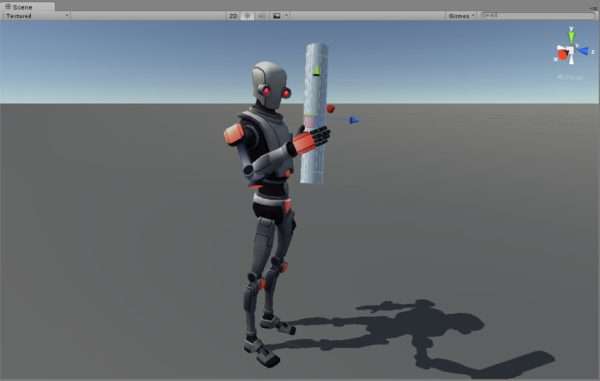
Procedural animation is valuable for a wide range of professionals and industries, particularly those that require dynamic, real-time interactions and scalable animation solutions.
- Game Developers
Procedural animation is highly beneficial for creating interactive characters and dynamic environments in video games.
Developers working on open-world games, physics-based mechanics, or real-time responses (like in Assassin’s Creed or Rain World) use procedural animation to generate realistic movements based on in-game actions, terrain, and environmental factors.
- Film and Animation Studios
Movies that rely on complex, dynamic visuals, such as Pixar’s Brave (for hair movement) or Spider-Man: Into the Spider-Verse (for unique stylistic animations), benefit from procedural techniques to handle complex scenes and interactions efficiently.
- Simulation and Training Platforms
Industries like military and medical training use procedural animation to create realistic simulations where characters or objects must react dynamically to a range of unpredictable situations.
This allows for immersive training environments without pre-programming every possible interaction.
- Indie Game Developers
For smaller teams, procedural animation can save time and resources by automating repetitive tasks and creating vast amounts of content (such as terrain, characters, or movements) without needing large animation libraries.
- Augmented Reality (AR) and Virtual Reality (VR) Developers
In AR and VR, where interaction with the environment is crucial, procedural animation ensures that character movements and interactions are responsive and realistic, contributing to an immersive experience.
Tips For Applying Procedural Animation

- Start Simple and Build Complexity Gradually: Begin with basic rules and gradually add more complex behaviors as you get comfortable with the process. For example, when animating a flock of birds, start with simple rules like “follow the leader” and incrementally add obstacles and flight patterns.
- Combine with Traditional Animation: It works best when balanced with handcrafted animations. While procedural methods handle dynamic and adaptive motions, traditional animations can be used for specific, controlled sequences like cutscenes.
- Test and Iterate Constantly: Testing is crucial to ensure that the animations look natural and behave as expected. Adjusting parameters such as timing and interaction with environments will help you refine the procedural elements.
- Use Real-World Physics: Leverage physics-based simulations, especially for complex interactions like ragdoll physics or fluid dynamics, to create realistic movements.
- Optimize for Performance: It can be resource-intensive, so ensure that you optimize algorithms to avoid performance issues, particularly in large or complex scenes.
Conclusion
To wrap things up, procedural animation is an incredible tool that adds a new level of realism and interactivity to your projects.
Whether you’re working on a game, a movie, or a simulation, using these techniques can really enhance how characters and environments come to life.
The key is to start small, optimize along the way, and mix procedural methods with traditional animation where it makes sense. With these tips in hand, you’re set to create more engaging, dynamic experiences that will truly captivate your audience.
–
Animost – Vietnam 3D Animation Studio


hello@animost.com

More from the stage
Sep 15, 2026Behind the Scenes of HOPE Na Hong-jin Sci-Fi Action with Motion Capture
If you love wild action movies, high-stakes science fiction, and cinema that keeps your heart pounding, South Korean filmmaker Na Hong-jin’s latest project, HOPE, needs to…
Do I Own the Copyright to AI-Generated Animation?
Do you own the copyright to AI-generated animation? Learn how AI, human creativity, and platform rules affect ownership and commercial rights.
Start a project
Tell us what you need made.
Send us the details and we will come back within one business day with a scope and a price.
Start a project