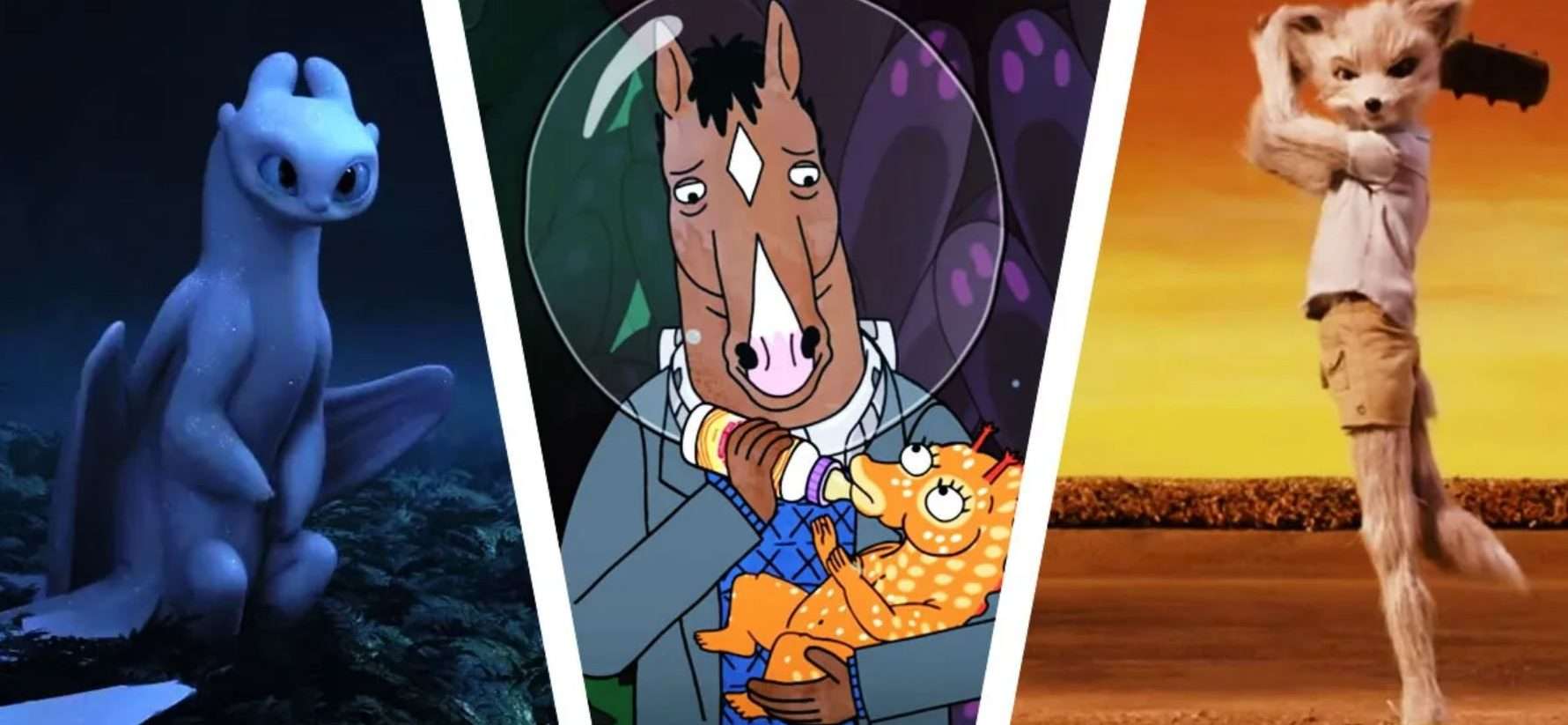
What is The Hardest Form of Animation? Brutal Truth You Should Know
Not all animation styles are created equal. Some push your skills, time, and patience way more than others. Whether you’re just getting into animation or curious about what goes on behind the scenes of your favorite films, one question always comes up: What is the hardest form of animation? In this article, we break down the most demanding techniques and reveal which style truly challenges animators the most and why.
What is The Hardest Form of Animation?
The hardest form of animation is stop motion, with traditional 2D hand-drawn animation coming in a close second.

These two styles demand a level of patience, precision, and time commitment that pushes even the most passionate artists to their limits. But why exactly are they so difficult? And how do they compare to other animation types like 3D or motion capture?
Let’s walk through it together and break it down in a way that makes sense—even if you’re just starting out.
First, Know Your Animation Styles
Before we dig into why some styles are harder than others, it helps to understand what kinds of animation are out there. Each has its own tools, workflow, and skill set. Here’s a quick overview:
- Traditional 2D Animation: You draw every single frame by hand, usually on paper or digitally. Think old-school Disney classics like The Lion King or Aladdin. It’s beautiful but very time-consuming.
- 2D Digital Animation: This modern version of 2D animation is done entirely on software like Toon Boom or Adobe Animate. You still work frame-by-frame or use rigged characters to speed things up.
- 3D Animation (CGI): If you’ve seen Toy Story, Frozen, or Avatar, that’s 3D animation. You create digital models and animate them using complex programs like Maya or Blender.
- Stop Motion Animation: Instead of drawing or using software, you move real objects (like puppets or clay models) bit by bit, snapping a photo after each movement. Those pictures are stitched together to make the final animation.
- Motion Capture: This style uses sensors to record real human movement, which is then applied to 3D characters. You’ve seen this in games and films like The Last of Us or Planet of the Apes.
- Experimental Animation: This is where you get artsy using sand, paint, or even code to create movement. There’s no one way to do it, which can be both exciting and overwhelming.
What Makes an Animation Style “Hard”?
So what actually makes one form harder than another? Let’s look at the key things you’d be dealing with:
- Time: How long does it take to animate even one second?
- Skill Level: Do you need to be amazing at drawing? Tech? Both?
- Mistakes: How easy (or hard) is it to fix an error?
- Tools: Are you working with software, cameras, or physical objects?
- Mental Load: Is it exhausting? Frustrating? Super repetitive?
If you’ve ever animated something before, even just a bouncing ball, you already know how much time and effort it takes. Now imagine doing that across thousands of frames with tight deadlines. Yeah, it’s a lot.

>>> Read more: How many frames per second in animation?
Why Stop Motion Is the Hardest Form of Animation
Let’s start with stop motion, because if you ask most pro animators what the hardest form is, this one almost always comes up first.
As an animator, you’re not working on a screen; you’re in a physical space, adjusting puppets or objects by hand, one tiny movement at a time. For every second of animation, you might need 12 to 24 carefully staged photographs. That means a few seconds of footage can take hours or even days to capture.
What makes it especially challenging is how unforgiving it is. If you bump the camera or the lighting changes slightly, you might have to start the whole shot over. There’s no “undo” button. Every frame demands precision and patience, and even the smallest mistake can cost you hours of work.
On top of that, you’re not just animating but building miniature sets, lighting them correctly, and solving practical problems every step of the way. It’s animation in the real world, and that physicality adds a whole new layer of complexity.
So if you’re up for a serious challenge and love working hands-on, stop motion will definitely put your skills and your patience to the test.

>>> Read more: Is Stop Motion Animation A Good Career? How To Work In This Field?
Why Traditional 2D Hand-Drawn Animation Is a Close Second
Traditional 2D animation also deserves serious respect. If you’ve ever tried to draw the same character over and over and keep it looking the same, you already know how tricky this can be.
That’s 24 drawings per second for smooth animation. A minute of footage could mean over 1,400 drawings. And everyone needs to be clean and consistent.
Unlike 3D or digital animation, you can’t just adjust a keyframe. If a movement feels off, you’ll probably need to redraw that entire section from scratch.
Besides, you need to know anatomy, motion, facial expressions, staging, and more. Not just once but across hundreds or thousands of frames.
It’s one of the most visually rich and rewarding styles out there, but be ready to put in the hours if you want your animation to shine.
>>> Read more: 20 Best Animation Techniques & Types You Need To Know
What About 3D Animation?
3D animation is no walk in the park. In fact, if you’re brand new to animation, the learning curve for programs like Maya or Blender can feel overwhelming.
Modeling, rigging, animating, lighting, rendering, and more; it’s a lot. You may not do it all yourself, but understanding the pipeline is essential.
The great thing about 3D is that once your characters and rigs are set up, you can reuse and tweak them. Need to change an arm pose? No problem. That’s a lot harder in 2D or stop motion.

So while it’s complex and technical, many animators find 3D easier to revise and manage in the long run.
Motion Capture: Fast but Not Free
If you’ve ever thought, “Oh, mocap must be easy, you just let the actor do the work,” think again. The raw data can be messy or too realistic. Animators need to clean it up, exaggerate movements, and add personality.
You’ll deal with sensors, calibration, retargeting data, and lots of problem-solving. It’s faster than animating by hand but not exactly stress-free.
Experimental Animation: Fun, But Wild
If you love breaking rules and trying weird things, experimental animation might be your jam. But it’s not always easy. There’s no roadmap. You’re inventing techniques, designing visuals, and doing it all with little guidance. That can be exciting—or frustrating.
Since you’re using unusual materials or software, things don’t always behave the way you expect. Be ready to experiment (and fail) a lot.
So, What Should You Try First?
If you’re reading this as someone just starting out, don’t let the difficulty scare you off. Every style of animation has its own rewards.
But if you’re wondering which form will push your patience, time, and skills the most, then:
Try Stop Motion if:
- You enjoy physical crafts and model-making
You’re extremely patient and detail-oriented - You’re okay with slow progress and repeating tiny adjustments
Try 2D Hand-Drawn if:
- You love drawing and storytelling
- You want to develop strong art fundamentals
- You’re ready to spend serious time on frame-by-frame work
Final Thoughts – What is the hardest form of animation?
All forms of animation are hard in their own way. But if you’re looking for the toughest, stop motion takes the crown, with traditional 2D animation close behind.
So what about you? Have you tried any of these animation styles? Thinking of diving in? Whether you’re a total beginner or just curious, go with what excites you the most. Even the hardest form becomes fun when you love the process.
–
Animost – Vietnam 3D Animation Studio


hello@animost.com

More from the stage
Sep 15, 2026Behind the Scenes of HOPE Na Hong-jin Sci-Fi Action with Motion Capture
If you love wild action movies, high-stakes science fiction, and cinema that keeps your heart pounding, South Korean filmmaker Na Hong-jin’s latest project, HOPE, needs to…
Do I Own the Copyright to AI-Generated Animation?
Do you own the copyright to AI-generated animation? Learn how AI, human creativity, and platform rules affect ownership and commercial rights.
Start a project
Tell us what you need made.
Send us the details and we will come back within one business day with a scope and a price.
Start a project