What is The Latest Animation Technology? What’s Shaping the Future?
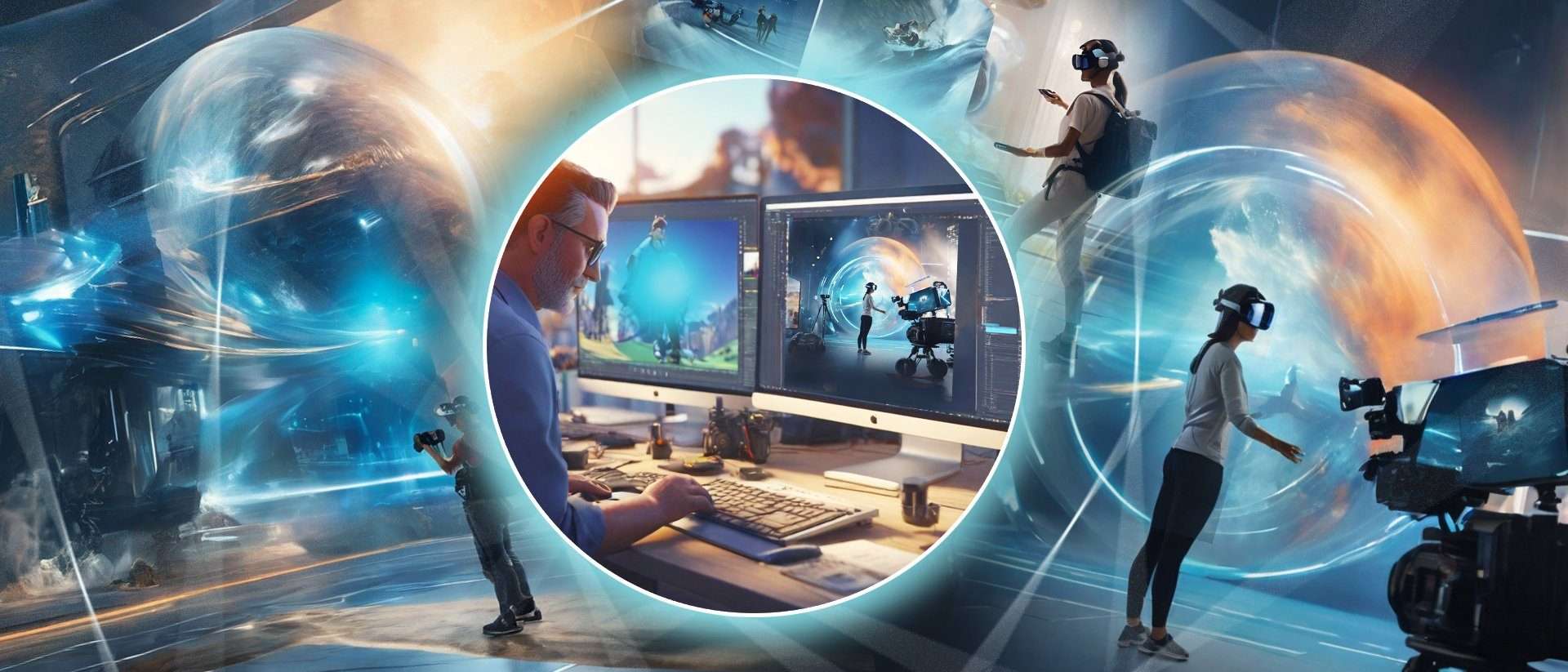
Animation is on fire in 2025, and the tech behind it is cooler than ever! So, what is the latest animation technology? From AI-powered tools to real-time rendering magic, creators are making stories more immersive and lifelike than we ever thought possible. Big names like Disney and Laika are setting the bar high with cutting-edge innovations, while tools like Unreal Engine and Unity are changing the game for everyone.
It’s not just about working faster; it’s about transforming the whole industry. Ready to see how the latest animation tech is shaping the future? Let’s dive in!
What is the Latest Animation Technology?
The latest animation technologies include AI for automating tasks, real-time rendering with Unreal and Unity, VR/AR for immersive storytelling, 3D printing for stop-motion, neural networks for lifelike characters, and advanced motion capture.

Animation technology is evolving faster than ever, and the latest tools are transforming how creators bring their ideas to life. Here’s a breakdown of the most exciting advancements making waves today:
Artificial Intelligence (AI) in Animation
AI has become a powerhouse in animation, handling tasks like lip-syncing, character movements, and even background generation. It’s like having a digital assistant that takes care of the tedious work, so animators can focus on being creative. For example, tools like DeepMotion use AI to generate realistic character movements in seconds, while Adobe Sensei powers smart automations in animation workflows.
>>>Read more: Should you work in the Vietnamese animation industry?
Real-Time Rendering
Real-time rendering is a game-changer, especially with engines like Unreal and Unity leading the way. These tools let animators see instant results, making it easier to tweak scenes on the fly. It’s not just for games anymore; movies like The Mandalorian are using this tech for virtual production, blending live-action and animation seamlessly.

Virtual Reality (VR) & Augmented Reality (AR)
VR and AR are opening up new possibilities for interactive and immersive storytelling. Imagine creating an animated short that viewers can explore in 360 degrees or designing AR characters that come to life through a phone screen. Tools like Tilt Brush and VR-based animation platforms are making this a reality.
3D Printing in Animation
3D printing is giving stop-motion animation a modern twist. Studios like Laika are famous for using 3D-printed character parts to create incredibly detailed and expressive animations. It’s a fantastic blend of digital precision and traditional craftsmanship.
Neural Networks & Machine Learning
These technologies are taking facial animation and motion capture to the next level. Neural networks can replicate subtle expressions and gestures, making animated characters feel more lifelike. This tech is also being used to customize characters, making them more unique and relatable.
Motion Capture Advancements
Motion capture has never been more accessible. Lightweight suits like Rokoko’s Smartsuit Pro and Xsens’ systems provide high-quality results without needing an entire studio setup. Plus, AI is stepping in to clean up mocap data, saving time on post-processing.

These innovations aren’t just making animation faster and more efficient; they’re also helping creators tell stories in ways that weren’t possible before. Whether it’s lifelike characters, immersive worlds, or interactive experiences, these technologies are shaping the future of animation.
>>>Read more: Lean and Mean 3D animation Production – Mocap the new hero
Case Studies of the Latest Animation Technology
Let me walk you through some incredible examples of how the latest animation technology is being used in the real world. These case studies will give you a better idea of just how game-changing these tools are. Trust me, you’ll be amazed!
Laika’s Stop-Motion Brilliance with 3D Printing
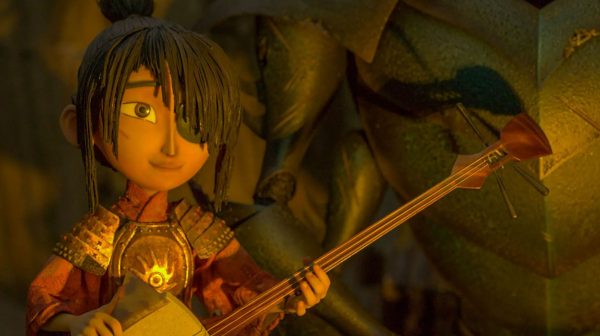
If you’ve ever watched Coraline or Kubo and the Two Strings, you’ve already seen Laika’s genius at work. They use 3D printing to create super-detailed models for their stop-motion animations. Picture this: thousands of tiny facial expressions, each 3D-printed, to bring characters to life frame by frame. It’s like combining high-tech design with old-school artistry. The result? Characters that are not just animated but feel handcrafted and full of soul.
>>> Read more: 9 Best Ways to Make Money with 3D Modeling As a 3D Artist
Epic Games’ Unreal Engine and Real-Time Rendering
Okay, this one is mind-blowing. Epic Games’ Unreal Engine has completely changed how movies and shows are made. Take The Mandalorian, for example. They used real-time rendering combined with giant LED screens to create realistic environments on set.
So instead of actors standing in front of a green screen, they’re surrounded by these breathtaking, interactive worlds. And the best part? Directors can tweak the scene instantly while shooting; it’s like live magic!
Pixar’s Secret Weapon: Neural Networks
Pixar is a name we all know and love, right? Well, part of their storytelling magic comes from using neural networks. These advanced systems analyze real human expressions to make animated characters look and feel alive. In Soul, for instance, they used this tech to make every tiny facial twitch feel authentic. Watching it, you probably felt like the characters were real people. That’s the power of neural networks!
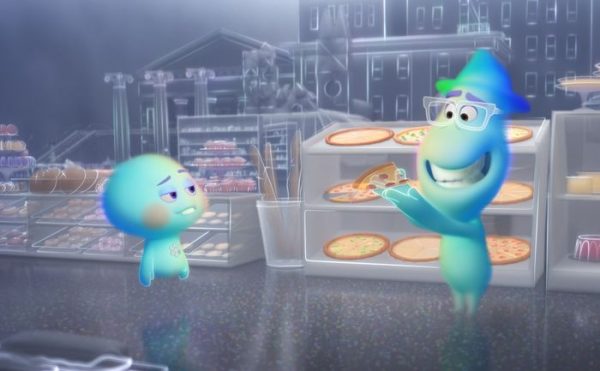
As you can see, these case studies show how the latest animation technologies are being used to push boundaries and create stunning works of art.
Challenges & Limitations of The Latest Animation Technology
While the latest animation technologies are undeniably exciting, they’re not without their hurdles. Let me walk you through some of the biggest challenges and limitations you might face when diving into these innovations.
High Costs of Adoption
Let’s be real: cutting-edge technology doesn’t come cheap. From advanced software licenses like Unreal Engine’s premium features to specialized hardware like motion capture suits or 3D printers, the upfront investment can be overwhelming, especially for smaller studios or independent animators. Even if you manage to get your hands on these tools, keeping up with upgrades and maintenance adds to the expense.
Steep Learning Curves
New technology often comes with a hefty learning curve. If you’re not already tech-savvy, diving into tools like neural networks or real-time rendering engines can feel intimidating. It’s not just about mastering the tools but also understanding how to integrate them into your workflow smoothly. This often requires dedicated training, which can take time and money.

Over-Reliance on Technology
With AI automating so many aspects of animation, there’s a real risk of losing the human touch. Sure, technology makes things faster and more efficient, but creativity and artistry can sometimes take a backseat. You might end up with animations that feel too “perfect” or lack the organic imperfections that make them relatable.
Compatibility Issues
Not all tools play nicely together. Integrating different technologies into a cohesive pipeline can be a logistical nightmare. For instance, motion capture data from one system might require extensive tweaking to work with your animation software. This adds extra steps and frustration to your workflow.
Ethical & Privacy Concerns
AI and machine learning rely heavily on data, which raises ethical questions. Who owns the data? Is it being used responsibly? For instance, facial recognition tools might use datasets without consent, leading to privacy issues. As animators, navigating these concerns becomes part of the job.

Risk of Technology Outpacing Skills
The animation industry evolves quickly, and staying current can feel like a full-time job. If you’re not constantly learning and adapting, it’s easy to fall behind. This rapid pace can create pressure, especially for smaller teams or solo creators who can’t dedicate all their time to keeping up.
Dependence on Stable Infrastructure
Advanced tools like real-time rendering engines and AI-driven platforms often require robust hardware and a stable internet connection. For creators in regions with limited access to high-speed internet or modern hardware, leveraging these technologies can be a significant challenge.
While these challenges might seem daunting, they’re not insurmountable. With careful planning, training, and a focus on balancing technology with creativity, you can overcome these hurdles and unlock the full potential of the latest animation tools. Every innovation comes with its growing pains, but the rewards are well worth the effort.
Wrap Up
Animation technology in 2025 is transforming creativity with AI automation, real-time rendering, and immersive VR experiences. Studios like Disney and Laika, along with indie creators, are pushing boundaries with these cutting-edge tools.
While challenges like costs and learning curves exist, the future is bright. As tech evolves, the blend of innovation and imagination promises to shape captivating stories and redefine how we experience animation.
–
Animost – Vietnam 3D Animation Studio


hello@animost.com

More from the stage
Sep 15, 2026Behind the Scenes of HOPE Na Hong-jin Sci-Fi Action with Motion Capture
If you love wild action movies, high-stakes science fiction, and cinema that keeps your heart pounding, South Korean filmmaker Na Hong-jin’s latest project, HOPE, needs to…
Do I Own the Copyright to AI-Generated Animation?
Do you own the copyright to AI-generated animation? Learn how AI, human creativity, and platform rules affect ownership and commercial rights.
Start a project
Tell us what you need made.
Send us the details and we will come back within one business day with a scope and a price.
Start a project