Cloud-Based Mocap: The Future of Motion Capture Is Already Here
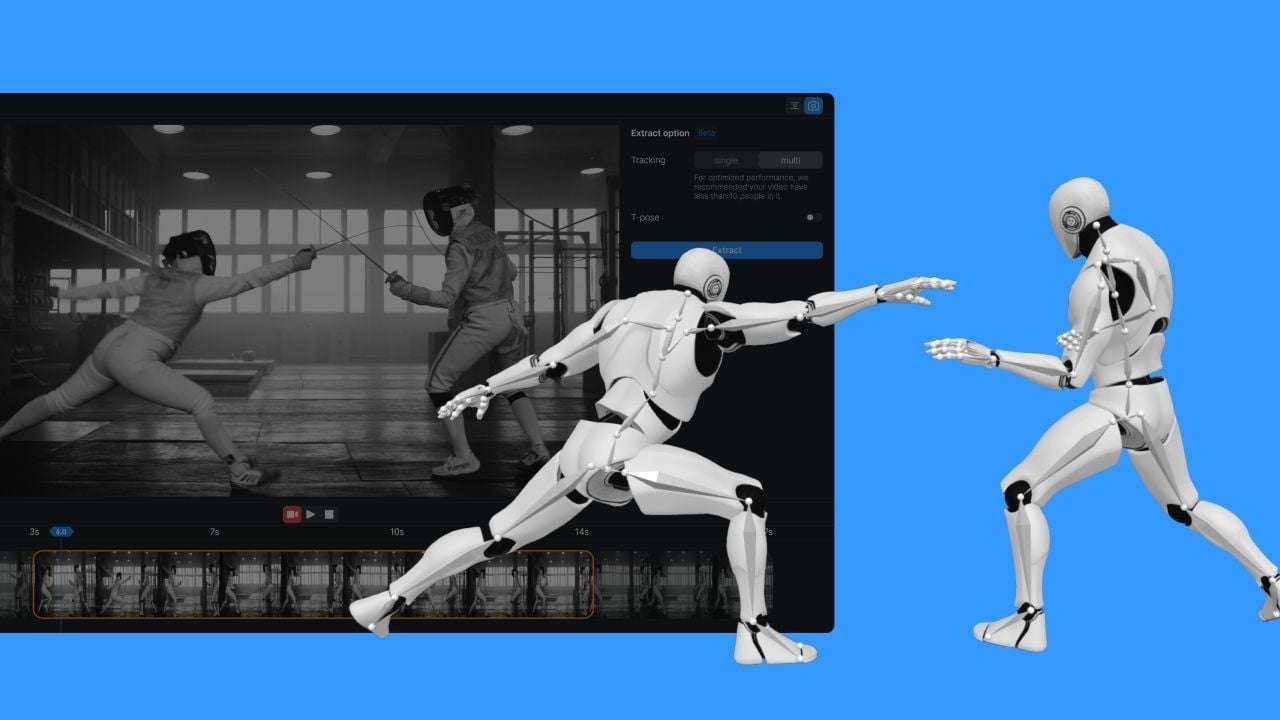
“Cloud-based mocap” refers to motion capture that utilizes cloud-based technology. Basically, it’s motion capture that doesn’t rely on powerful local hardware to process your data. Instead, your captured movements are recorded locally but processed, stored, or analyzed through cloud servers.
Instead of needing a workstation with insane specs or local storage drives packed with mocap files, everything happens online. The cloud handles all the heavy lifting, from data cleaning and animation retargeting to real-time collaboration and version control.
In other words, cloud-based mocap takes traditional motion capture and gives it a massive upgrade in flexibility and scalability.
How Does Cloud-Based Mocap Work?
At its core, cloud-based mocap combines three key components:
- Capture Device (Input): You still need a mocap suit or camera setup to record movement. For example, an inertial mocap suit like Rokoko or Xsens, or a markerless camera-based system like Move.ai.
- Cloud Connection (Processing): Once motion data is captured, it’s uploaded to the cloud. This is where the magic happens: the cloud server cleans, calibrates, and retargets the data onto 3D skeletons.
- Output (Visualization & Integration): The processed data can be accessed anywhere; you can stream it in real-time into tools like Unreal Engine, Blender, or Unity, or download it as FBX or BVH files.
That’s it. You don’t need an expensive workstation or dedicated render farm. As long as you’ve got an internet connection and a cloud-friendly mocap service, you’re ready to roll.

Here’s a quick side-by-side look at Cloud-Based Mocap vs Traditional Mocap:
| Feature | Cloud-Based Mocap | Traditional Mocap |
| Hardware | Minimal (suits or cameras only) | High-end local systems |
| Processing | Cloud servers | Local workstations |
| Collaboration | Real-time, remote | On-site only |
| Cost | Subscription-based | High upfront cost |
| Scalability | Easy to scale | Limited by hardware |
| Setup Time | Fast | Complex |
| Offline Use | Limited | Full control |
So if you’re working in a small team, traveling, or collaborating remotely, cloud-based mocap just makes sense.
>>> Read more: What is the Difference Between Markerless and Marker-Based MoCap?
Why Cloud-Based Mocap Is Gaining Traction
The rise of remote production, indie animation, and virtual collaboration has made traditional on-site motion capture setups less practical for many teams. Cloud-based mocap fits perfectly into this new workflow era.
Let’s break down the biggest reasons why studios, creators, and even game developers are jumping on the cloud train.
Accessibility for Small Teams
Before the cloud, mocap systems were notorious for their high costs ( hardware, storage, maintenance, and upgrades all added up fast). Cloud-based mocap changes that game. You can now pay-as-you-go, scale up when needed, and skip expensive on-premise systems altogether.
That means indie developers, small studios, and even solo creators can now get access to professional-grade motion capture without breaking the bank.
>>> Read more: How to create your MetaHumans with motion capture
Real-Time Collaboration
Cloud platforms allow multiple users to log in, view, and even edit mocap data simultaneously. This is perfect if your animator is in Japan, your director is in Canada, and your editor is in Singapore.
Everyone can work from the same data source in real-time, thereby reducing communication gaps and accelerating iteration.
>>> Read more: Markerless Motion Capture System: A Complete Guide for Beginners
No Heavy Hardware Requirements
Since all the data crunching happens in the cloud, you don’t need a high-end workstation. Even a mid-tier laptop can be enough to run your mocap workflow smoothly, especially if you’re streaming live data to an engine like Unreal.
Automatic Updates and Scalability
Cloud-based systems are always up-to-date. There’s no need to download patches or manually install new features. Plus, if your project suddenly grows from 1 character to 20, you can simply scale your cloud resources; no need to buy new servers.
Better Data Management
If you’ve ever worked with mocap, you know how massive those files can get. The cloud handles version control, automatic backups, and secure sharing. You can easily keep track of multiple takes, versions, or character files, all in one dashboard.
Integration With AI and Machine Learning
One of the coolest parts? Many cloud mocap platforms are now using AI-powered motion tracking and post-processing. This means smoother data, faster clean-up, and even automated body retargeting, turning rough motion data into polished animation faster than ever.
Popular Cloud-Based Mocap Platforms
Let’s check out some of the platforms leading the charge in cloud-based motion capture right now.
Move.ai
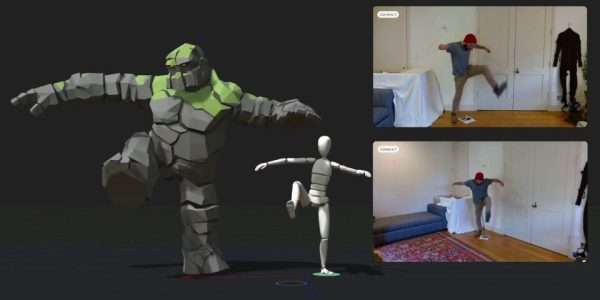
Move.ai is one of the pioneers in markerless mocap, and it’s entirely cloud-driven. You can record motion using multiple iPhones, upload the footage, and let their cloud system reconstruct 3D motion data with impressive accuracy. Their cloud pipeline handles everything, from camera calibration to animation export. You just need cameras and a stable internet connection.

Best for: indie creators, small studios, and remote teams who don’t want to deal with mocap suits.
Rokoko Studio Cloud
Rokoko has been a favorite for creators using suits like the SmartSuit Pro II, and their Rokoko Studio Cloud feature makes collaboration way easier. You can sync mocap sessions, review animation data in real-time, and share projects instantly with teammates anywhere in the world.
Best for: teams already using Rokoko gear and looking to boost real-time collaboration.
Radical Motion
Radical Motion is another player pushing AI-based, cloud-powered motion capture. You can upload 2D video footage, and their system automatically creates 3D motion data in the cloud. It’s fast, affordable, and surprisingly accurate for an app-based workflow.
Best for: quick motion capture without suits, using standard video input.
Vicon Cloud
Vicon, a big name in traditional mocap, has introduced Vicon Cloud, which brings professional-grade capture management and collaboration into a cloud ecosystem.
You can securely store, review, and process sessions and even integrate with Vicon’s on-premise hardware for hybrid workflows.
Best for: studios already working with Vicon systems that want to go hybrid.
Xsens MotionCloud
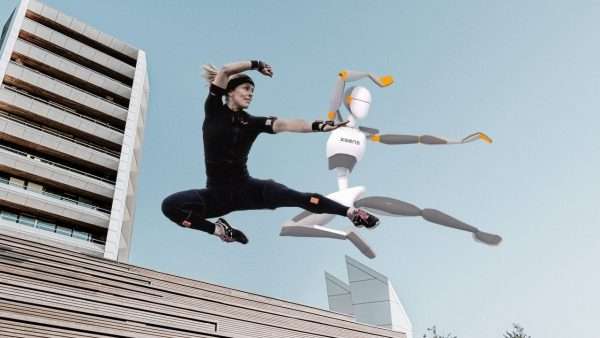
Xsens, one of the most respected brands in motion capture, offers MotionCloud, a cloud-based platform that lets you automatically upload and process mocap data from their suits. It’s designed for teams that need enterprise-level reliability and data accuracy.
Best for: studios handling large-scale productions or working across multiple departments.
Challenges of Cloud-Based Mocap
We’ve sung a lot of praise so far, but let’s be real: no tech is perfect. Cloud-based mocap still comes with a few challenges you’ll want to consider.
Internet Dependency
If your internet connection isn’t stable or fast enough, uploads can be slow, especially when you’re dealing with large motion data files. This can become a bottleneck for big productions.
Data Privacy Concerns
Because all your mocap data is uploaded and stored online, there’s always the question of data security. Studios working on confidential projects might need extra assurances before committing to cloud storage.
Subscription Costs Over Time
While it’s cheaper upfront, subscription-based models can add up if you’re using the platform daily for long-term projects. It’s important to check pricing tiers carefully.
Limited Offline Control
Some creators prefer having full local control of their files and data processing. Cloud systems sometimes limit how much you can customize backend settings.
Should You Switch to Cloud-Based Mocap?
If you’re wondering whether cloud-based mocap fits your workflow, here’s a quick checklist:
- You work with remote collaborators.
- You want faster turnaround times.
- You don’t have powerful hardware.
- You prefer scalability over ownership.
- You value convenience and automatic updates.
If you checked most of these boxes, yes, it’s time to give cloud-based mocap a try.
However, if your project involves highly confidential data or requires complete offline control, you might still prefer a traditional setup (or a hybrid system).
Final Thoughts
Cloud-based mocap is reshaping how we capture and animate human movement. It’s flexible, affordable, and incredibly convenient, especially for creators who don’t want to deal with expensive equipment or local rendering headaches.
As we move toward more connected and remote production pipelines, the cloud isn’t just an option anymore; it’s the future.
–
Animost – Vietnam 3D Animation Studio


hello@animost.com

More from the stage
Sep 23, 2026Next-Level AI Facial Mocap: The Ultimate Guide to Reallusion AccuFACE 2
When Reallusion released the original AccuFACE plugin for iClone, it changed the game by offering simple, webcam-based AI facial tracking without the bulky gear. Now, AccuFACE…
Remembering Tim Curry: Celebrating the Unforgettable Legacy of a True Acting Legend
Legendary actor Tim Curry passed away at age 80. Explore his incredible life, iconic movie characters, and legendary voice-acting roles.
Start a project
Tell us what you need made.
Send us the details and we will come back within one business day with a scope and a price.
Start a project