How Accurate Are Mocap Suits? A Dive into Motion Capture Precision
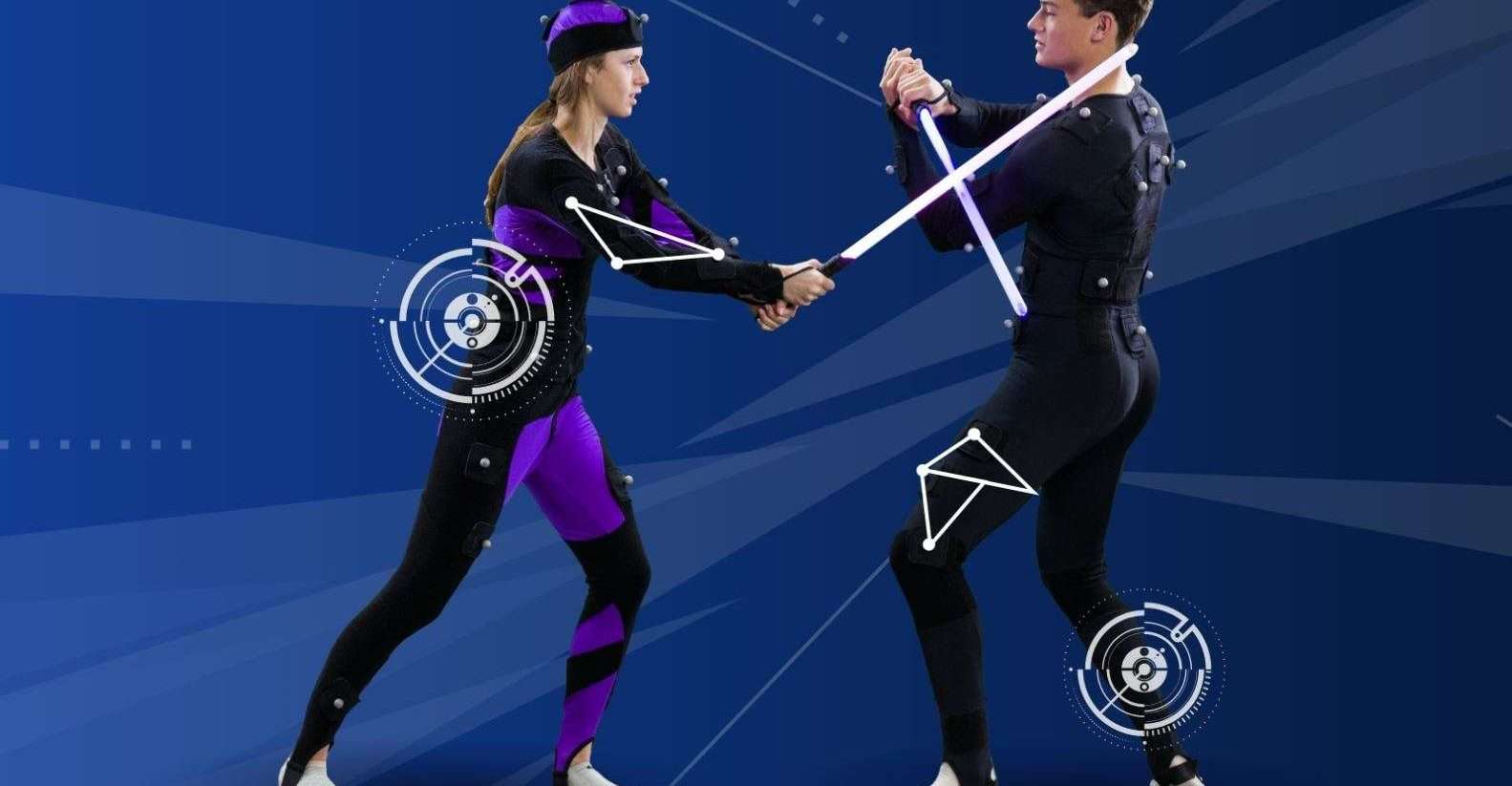
If you’ve seen lifelike CGI in movies or games, you’ve probably wondered: How accurate are mocap suits? These tight suits with sensors track body movements for films, games, and VR. But can they really capture every detail? The answer is that they’re very accurate, although it depends on the type of suit, setup, and environment. Optical systems can hit sub-millimeter precision, while inertial suits are highly practical with minor drift.
In this article, we’ll explore their accuracy, what affects performance, and whether mocap suits are “good enough” for your project, whether you’re making a blockbuster or just experimenting.
How Accurate Are Mocap Suits?
The short answer: really accurate, but it depends.

Here’s a general breakdown:
- High-end optical mocap systems (like Vicon or OptiTrack): Accuracy can be within sub-millimeter precision under perfect conditions. That’s insanely accurate; good enough for blockbuster films and scientific research.
- High-end inertial mocap suits (like Xsens): Accuracy is typically within 1–2 degrees of error per joint. This is excellent for most uses, including film, games, and VR.
- Entry-level inertial mocap suits (like Perception Neuron): Accuracy is solid but not flawless; you may see drift or minor errors if the performer moves fast or interacts with magnetic interference.
In other words, mocap suits can capture movement with incredible detail, but accuracy depends on:
- The type of system you’re using.
- The environment you’re recording in.
- The calibration and setup before capture.
- The post-processing cleanup afterward.
Now that we know mocap suits can be pretty precise, let’s look at the main factors that can make or break accuracy.
Type of Mocap System
Like we mentioned earlier, optical and inertial suits work differently.
- Optical suits are usually the most accurate, but they require expensive studio setups, multiple cameras, and a controlled environment.
- Inertial suits are easier to use anywhere, but they can be affected by drift or nearby magnetic fields.
If you’re working on an AAA film, you’ll probably go with optical. If you’re doing indie projects, an inertial suit might be more practical.

>>> Read more: Is Motion Capture Hard? How to Make Motion Capture Easier
Calibration
Before any mocap session, the performer usually has to do a “T-pose” or other calibration moves. If this setup is sloppy, the data won’t line up correctly, which hurts accuracy.
Think of it like setting the baseline; you need a clean reference before recording.
Environment
Optical mocap needs clear visibility. If a camera can’t see a marker (say it’s blocked during a fight scene), you’ll lose accuracy. Inertial mocap hates interference. Things like metal objects, magnets, or electronics can throw off the sensors.
>>> Read more: Motion Capture Gaming: How Mocap Works in Game Development
Performer Movement
The faster and wilder the movement, the harder it is to capture perfectly. Big jumps, rolls, or props can mess with tracking. This is why mocap operators often ask performers to repeat takes.
Post-Processing
Even the best mocap suits don’t give perfect, “ready-to-use” data. Animators usually clean up and refine the motion afterward. This step polishes out glitches and ensures the final animation looks natural.
>>> Read more: Why Use Unreal Engine Real-Time Motion Capture? (with Examples)
Real-World Examples of Mocap Accuracy
To see how this plays out in the real world, let’s look at some well-known projects that relied on mocap suits.
- Avatar (2009 & 2022): James Cameron’s team used state-of-the-art optical mocap systems. Accuracy had to be near-perfect to capture subtle facial expressions and body movements.
- Marvel Movies: Many MCU characters, like Hulk or Thanos, were brought to life with mocap. Josh Brolin’s facial mocap for Thanos was so detailed that you could see his micro-expressions come through.
- Indie Games: Smaller studios often use inertial suits like Perception Neuron. Accuracy might not be Hollywood-level, but it’s good enough to capture combat moves, dancing, or realistic walking cycles.
These examples show that mocap suits can be incredibly accurate; it just depends on the level of investment and what “accurate enough” means for your project.

Pros and Cons of Mocap Suit Accuracy
Let’s put this in a simple pros and cons table so you can quickly see where mocap shines and where it struggles.
| Pros | Cons |
|
|
Is Mocap Accuracy “Good Enough” for You?
Here’s the big question: do you really need perfect accuracy? The answer depends on your use case:
- Filmmakers & AAA Studios: Yes, you’ll want near-perfect accuracy. Every detail counts, especially in close-up shots. Go with optical mocap if you can afford it.
- Indie Game Developers: Absolute precision isn’t necessary. Inertial mocap suits are more affordable and portable, and they still give you professional-level results after some cleanup.
- VR Content Creators: Inertial suits are usually “accurate enough” for immersive VR experiences. You might notice a tiny drift, but most players won’t.
- Sports & Biomechanics Research: Here, accuracy really matters. Optical mocap is often the go-to since researchers need detailed data.
Basically, unless you’re doing scientific research or mega-budget films, mocap suits today are more than accurate enough for your needs.

The Future of Mocap Accuracy
Mocap suits have already come a long way, but the future looks even brighter.
- AI-assisted mocap is improving accuracy by predicting and correcting tracking errors.
- Markerless mocap systems (like using just a few cameras and no suit) are becoming more reliable. They’re not yet as accurate as suits, but they’re catching up fast.
- Hybrid systems combining optical, inertial, and AI tracking might give us near-perfect motion data without the hassle of traditional setups.
In other words, mocap is only getting more precise and easier to use.
Final Thoughts
So, how accurate are mocap suits? The honest answer: very accurate, but it depends on the system, the environment, and how you use it.
- High-end optical systems give you near-flawless precision.
- Inertial suits are highly accurate, practical, and affordable, though not perfect.
- Post-processing is always needed to get polished results.
Mocap suits are the bridge between imagination and digital reality. And with the way the tech is evolving, we’re heading toward a future where capturing motion feels as natural as recording audio.
FAQ
Are mocap suits 100% accurate?
No. Even the best systems need some cleanup. Optical systems can get extremely close, but tiny errors are always possible.
Which is more accurate: optical or inertial mocap suits?
Optical mocap is generally more accurate, but inertial suits are more practical and still very precise for most projects.
Can mocap suits capture facial expressions accurately?
Yes, but usually through separate facial mocap systems that track face markers or cameras. Body mocap and facial mocap are often recorded together.
Do mocap suits work outdoors?
Inertial suits can work outdoors since they don’t need cameras. Optical mocap is harder outdoors due to lighting and camera setup.
Is mocap accuracy good enough for indie projects?
Absolutely. Most affordable mocap suits today give you professional-quality motion data with a bit of cleanup in post.
–
Animost – Vietnam 3D Animation Studio


hello@animost.com

More from the stage
Sep 23, 2026Next-Level AI Facial Mocap: The Ultimate Guide to Reallusion AccuFACE 2
When Reallusion released the original AccuFACE plugin for iClone, it changed the game by offering simple, webcam-based AI facial tracking without the bulky gear. Now, AccuFACE…
Remembering Tim Curry: Celebrating the Unforgettable Legacy of a True Acting Legend
Legendary actor Tim Curry passed away at age 80. Explore his incredible life, iconic movie characters, and legendary voice-acting roles.
Start a project
Tell us what you need made.
Send us the details and we will come back within one business day with a scope and a price.
Start a project