Are Mocap Suits Heavy? Everything You Need to Know
When you first see someone in a motion capture suit, it looks like a skin-tight wetsuit with gadgets attached. Naturally, you might wonder: are mocap suits heavy? The short answer is no; they’re surprisingly lightweight, usually just a few pounds. Most of the bulk comes from tiny sensors or reflective markers, not the fabric itself.
In this guide, we’ll explain the different types of mocap suits, how much they weigh, and what affects their comfort. Whether it’s for blockbuster movies, indie games, or VR projects, you’ll see that wearing a mocap suit feels more like gym clothes than heavy gear.
Are Mocap Suits Heavy?
No, mocap suits are not heavy. Most modern mocap suits are made from lightweight materials and weigh only a few pounds (1 – 3 kg depending on the setup).

The weight mainly comes from the sensors or markers attached to the suit, not the fabric itself. In optical mocap, the markers are tiny and weigh next to nothing. In inertial suits, the small sensors and their straps might add a bit of bulk, but nothing close to being “heavy.”
To put it simply, wearing a mocap suit is like wearing gym clothes with a few gadgets attached. It won’t feel like armor or a weighted vest.
Let’s look at each type of mocap suit and how much it really weighs:
Optical Mocap Suits
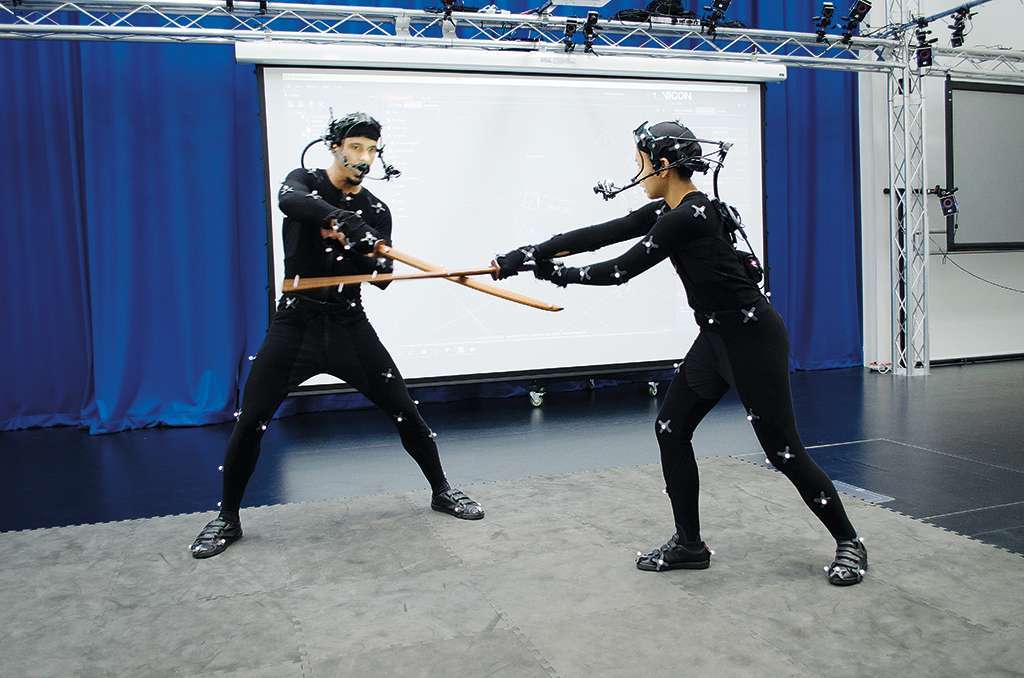
These are the suits you’ve probably seen in behind-the-scenes footage of movies like The Lord of the Rings or Avatar. They’re basically a stretchy bodysuit with dozens of tiny reflective markers attached.
- Fabric weight: The base suit is usually made from a lightweight, stretchy material, weighing approximately 1 pound, similar to compression leggings or a running shirt.
- Markers: Each marker is feather-light, often less than 1 gram. Even if you’re wearing 50 – 80 markers at once, the total added weight is barely noticeable, like sticking small stickers on your clothes.
The biggest sensation isn’t heaviness but tightness, since the suit needs to stay snug for accurate tracking. Most actors describe it as wearing athletic gear, not bulky equipment.

>>> Read more: How Accurate Are Mocap Suits? A Dive into Motion Capture Precision
Inertial Mocap Suits
These are more modern and portable, using small sensors called IMUs (inertial measurement units) to track body movement without the need for external cameras.
- Fabric weight: Like optical suits, the base layer weighs around 1 lb.
- Sensors: Each IMU weighs about 10 – 20 grams, about the weight of two or three coins. With 17 – 20 sensors placed across your body, the total adds up to roughly 0.5 – 1 lb.
- Extra gear: Some suits require a central hub or a small battery pack to power the sensors. These are usually strapped at the waist, lower back, or chest. At less than the weight of a smartphone, they’re easy to forget about after a few minutes.
Slightly bulkier than an optical suit because of the sensors and straps, but still very manageable. Most people compare it to working out while carrying their phone in a pocket or wearing a lightweight smartwatch on every joint.
>>> Read more: Is Motion Capture Hard? How to Make Motion Capture Easier
Hybrid Mocap Suits
These combine optical markers with inertial sensors, giving studios the best of both worlds: precise external tracking plus robust internal data.
- Fabric weight: Same base suit as the other systems, about 1 lb.
- Added hardware: Since hybrid suits carry both sensors and markers, the total equipment is a bit heavier. You may also have a slightly larger hub for processing.
- Average weight: Usually between 2 – 3 lbs. That’s still lighter than a thick winter jacket or a pair of heavy boots.
The most noticeable part is not the weight but the amount of gear attached. It may take longer to suit up, but once you’re moving, it’s still flexible and comfortable enough for high-energy performances.
>>> Read more: Motion Capture Gaming: How Mocap Works in Game Development
Why Weight Isn’t Really an Issue
So why does it feel like mocap suits might be heavy when they’re not?
- The tight fit: Mocap suits are designed to fit snugly. Some people confuse tightness with heaviness.
- Cables and add-ons: Older mocap systems sometimes had wires or bulky hardware, which looked heavy. But today’s suits are wireless and sleek.
- Extra props: In film sets, actors might also wear helmets for facial capture or hold props covered in markers. These can add bulk, but they’re separate from the suit itself.
The reality is, mocap designers want performers to move as naturally as possible. If the suit were heavy, it would interfere with performance. That’s why keeping them lightweight is a priority.

>>> Read more: Why Use Unreal Engine Real-Time Motion Capture? (with Examples)
Comfort vs. Weight
Even though mocap suits aren’t heavy, comfort can still be an issue. Let’s break that down:
- Heat: Because the suit is skin-tight, it can get warm under stage lights or during long sessions. Some actors describe it like wearing a wetsuit in a hot room.
- Flexibility: Modern suits use stretchy fabrics, but a poor fit (too tight or too loose) can feel uncomfortable.
- Battery packs: Inertial suits need power, so you may feel a small bump where the battery is attached. Not heavy, but noticeable.
- Long sessions: Wearing a suit for hours can feel tiring, not because of the weight, but because you’re constantly moving in tight gear.
Comparing Mocap Suits to Everyday Items
To give you a clearer picture:
- Optical mocap suit = lighter than a pair of jeans.
- Inertial mocap suit with sensors = about the same as carrying a tablet in your backpack.
- Hybrid suit = still lighter than most winter jackets.
So if you can handle wearing regular clothes or light gym gear, you’ll have no trouble with a mocap suit.
Do Professional Actors Find Them Heavy?
Let’s check what some professionals have said:
- Andy Serkis (famous for Gollum in The Lord of the Rings): He often talks about mocap performance being physically demanding, but not because of the suit’s weight, rather, because of the acting itself.
- Troy Baker (voice and mocap actor in games like The Last of Us): He’s mentioned that mocap feels like doing theater in pajamas; it’s freeing, not heavy.
- Athletes in sports mocap: Many wear suits for biomechanical studies and rarely complain about weight. Instead, they focus on movement accuracy.
So, the verdict from professionals? It’s not heavy, just snug.

Why Lightweight Suits Matter in Motion Capture
The lightweight nature of mocap suits isn’t just about comfort; it’s also crucial for performance:
- Natural movement: Heavy suits would cause actors to move unnaturally, which ruins the realism.
- Long recording sessions: Actors might perform for hours. A light suit helps prevent fatigue.
- Stunts and athletic moves: Many mocap scenes involve running, jumping, or fighting. A bulky suit would get in the way.
- Versatility: Lightweight suits are easier to transport and set up, especially for indie studios or on-location shoots.
What About DIY or Budget Mocap Suits?
If you’re thinking about trying mocap yourself, you might wonder whether cheaper or DIY suits are heavier. Good news: they’re not.
- Entry-level suits like Rokoko’s Smartsuit Pro are under 2 lbs.
- DIY mocap setups often use simple straps with sensors; again, very light.
- Even consumer-level VR full-body tracking systems (with Vive trackers or SlimeVR sensors) only add a few grams each.
So whether you’re working in a Hollywood studio or tinkering in your bedroom, weight won’t be the problem.
Common Myths About Mocap Suit Weight
Let’s bust a few myths:
- “They’re like armor.” Nope. Armor is heavy, and mocap suits are more like tights.
- “You can’t move easily in them.” Actually, they’re designed for maximum mobility.
- “All those sensors must weigh a lot.” Sensors are tiny, usually lighter than a pen.
- “Older suits were heavy.” Even older optical suits were never truly heavy, just bulkier because of cables.
Tips If You’re Wearing a Mocap Suit for the First Time
If you’re worried about the suit being heavy, here are some quick tips:
- Wear moisture-wicking clothes underneath: This keeps you cooler and more comfortable.
- Stay hydrated: Heat, not weight, is usually the bigger issue.
- Stretch before suiting up: Helps you move more naturally.
- Ask for adjustments: If the straps or sensors feel too tight, speak up; comfort matters.
The Bottom Line: Are Mocap Suits Heavy?
Nope. Mocap suits are surprisingly lightweight. The fabric feels like athletic wear, and the sensors or markers barely add any weight at all.
If you ever get the chance to try one, the only surprise might be how comfortable and light it feels compared to how it looks on screen. Whether you’re acting out an epic battle for a video game or just testing your own moves at home, you won’t feel weighed down.
So go ahead, step into the suit and focus on your performance. The tech will handle the rest.
FAQ
Do mocap suits weigh more than regular clothes?
Not really. Most weigh about the same as a pair of workout leggings with a few small gadgets attached.
Can kids wear mocap suits?
Yes! Many studios make smaller suits for children, and since they’re light, kids can wear them comfortably.
Do mocap helmets add extra weight?
Facial capture helmets can weigh a bit more (like wearing a light bike helmet), but they’re separate from the body suit.
Will wearing a mocap suit make me tired?
Not because of the weight; the main fatigue comes from moving and acting for long periods.
What’s the heaviest part of a mocap setup?
Usually, the battery pack or wireless hub in inertial suits is even lighter than a smartphone.
–
Animost – Vietnam 3D Animation Studio


hello@animost.com

More from the stage
Sep 15, 2025Animation Cost Calculator: How Much Is Animation Gonna Cost You?
Curious about animation prices? Use an animation cost calculator to estimate budgets for 2D, 3D, and motion graphics projects.
Is 3D Animation Cheap? Let’s Talk About It
Is 3D animation cheap? Discover what affects the cost, how to find affordable options, and tips to save money without losing quality.
Start a project
Tell us what you need made.
Send us the details and we will come back within one business day with a scope and a price.
Start a project